Built custom · any industry

Bringing AI-based tools to everyday businesses.

What can we build for you?

comrse writes custom software for businesses that sell physical things. Every build is made for one company and shaped around how that company actually makes money. We have done it for a restaurant fixtures maker, a furniture brand, a housewares shop, a pallet rack yard, a caterer and a grocery chain, and we could move between them because the industry was never the hard part.

The hard part is fitting a real business onto a platform sturdy enough to run it. We have that platform. It has been carrying our own stores for fifteen years, and every build starts as a full copy of it.

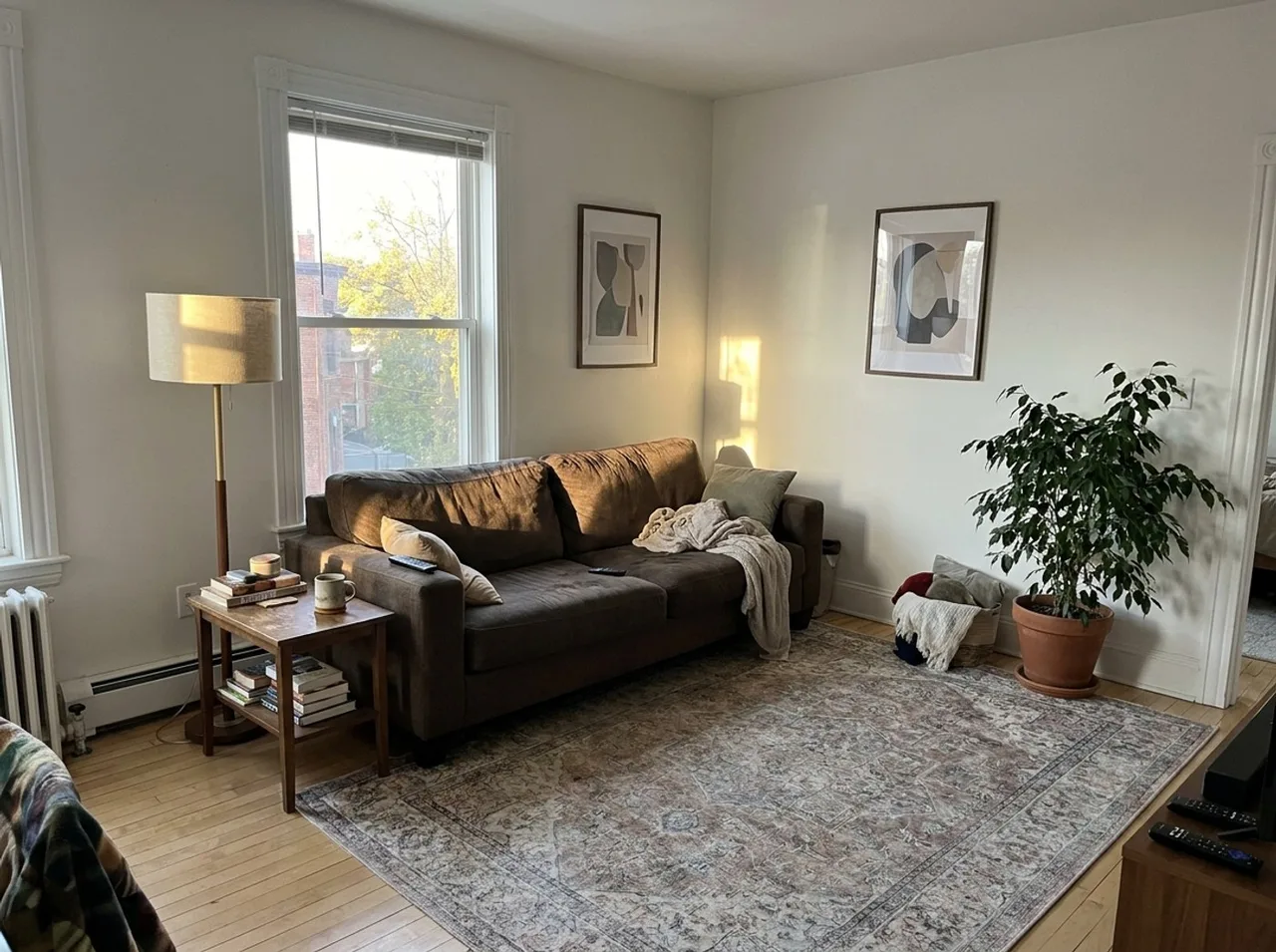
A living room with the customer's own worn sofa
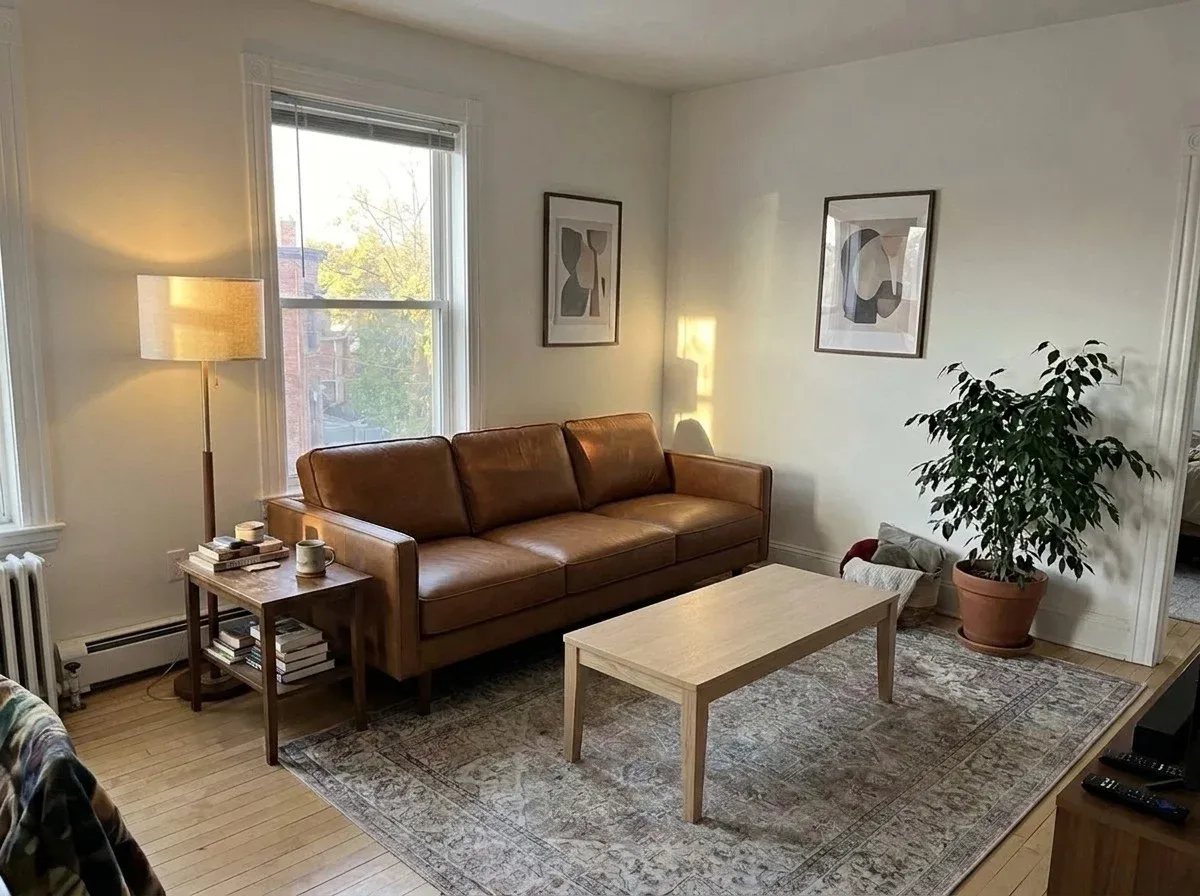
The same room with a new sofa in cognac leather and an oak coffee table
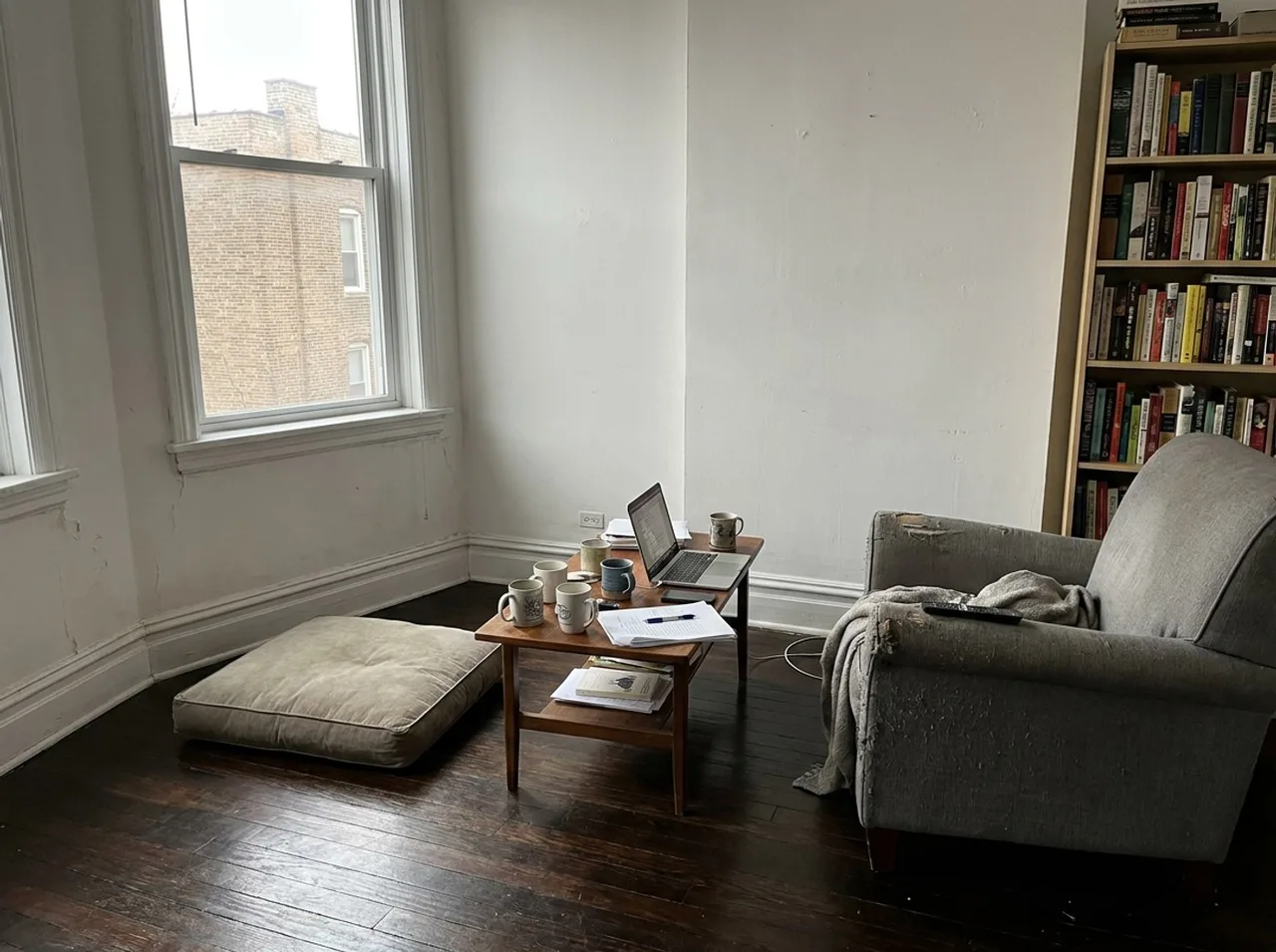
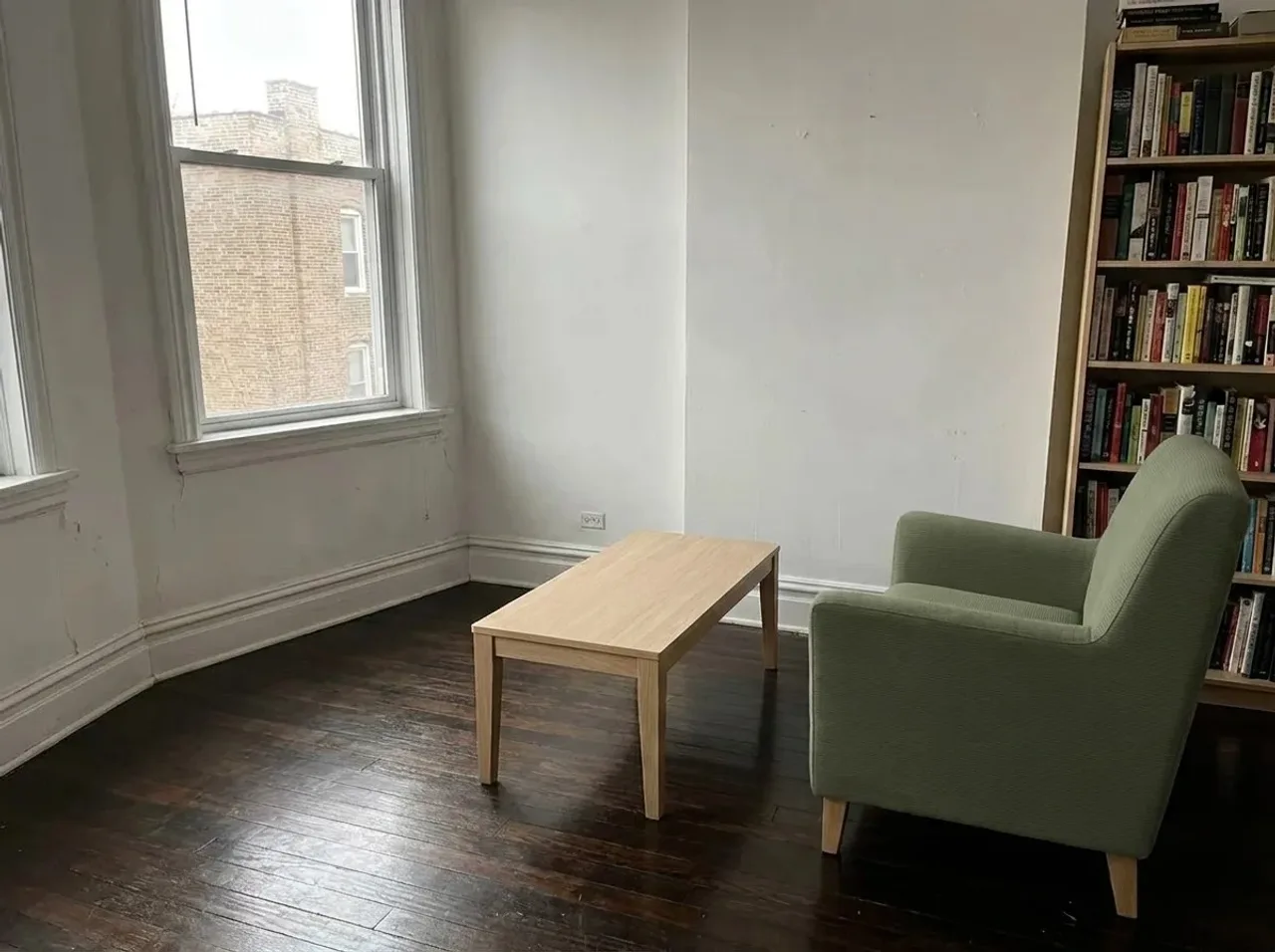
An apartment before staging
The same apartment staged
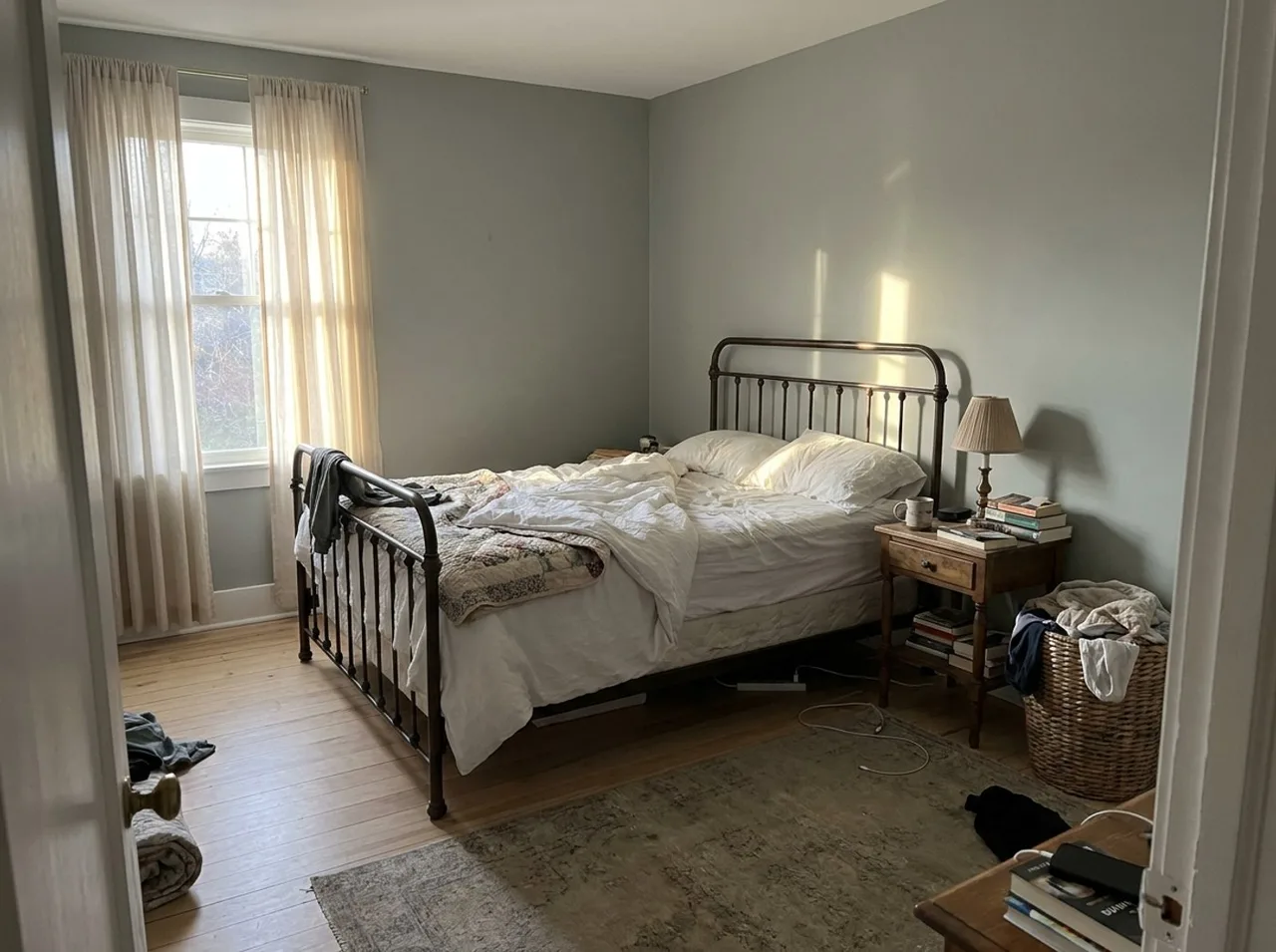
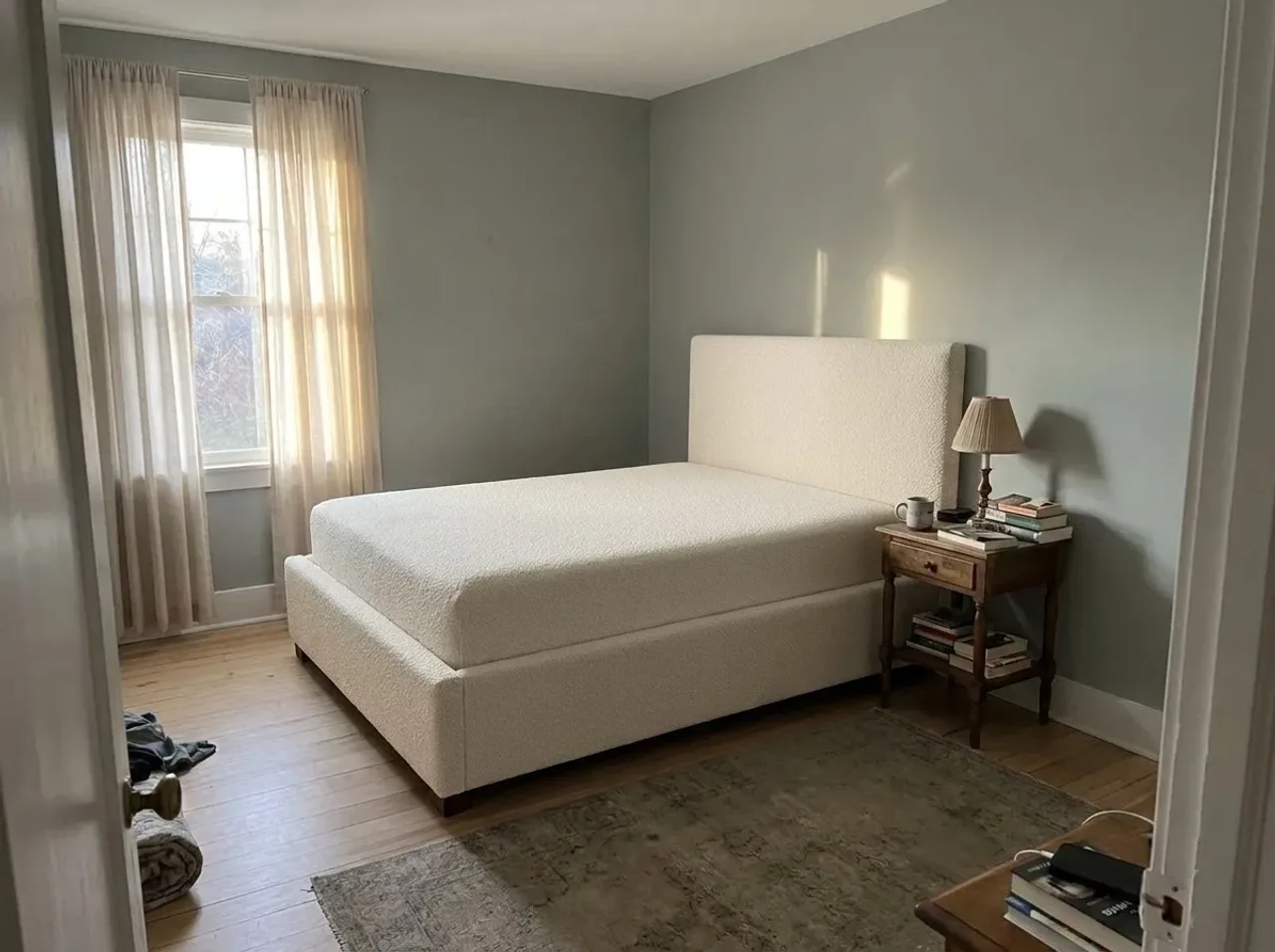
A bedroom before staging
The same bedroom furnished by the software
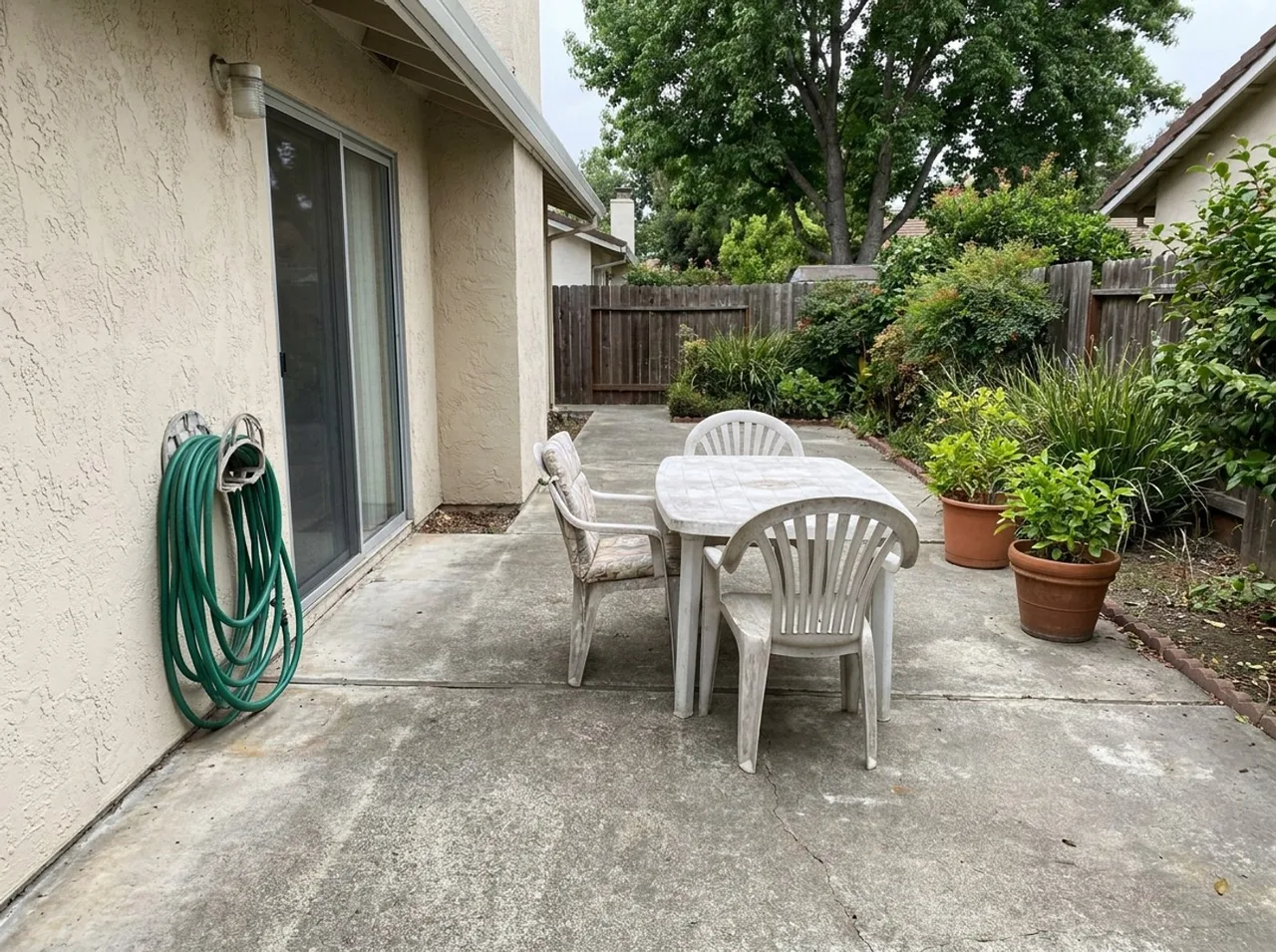
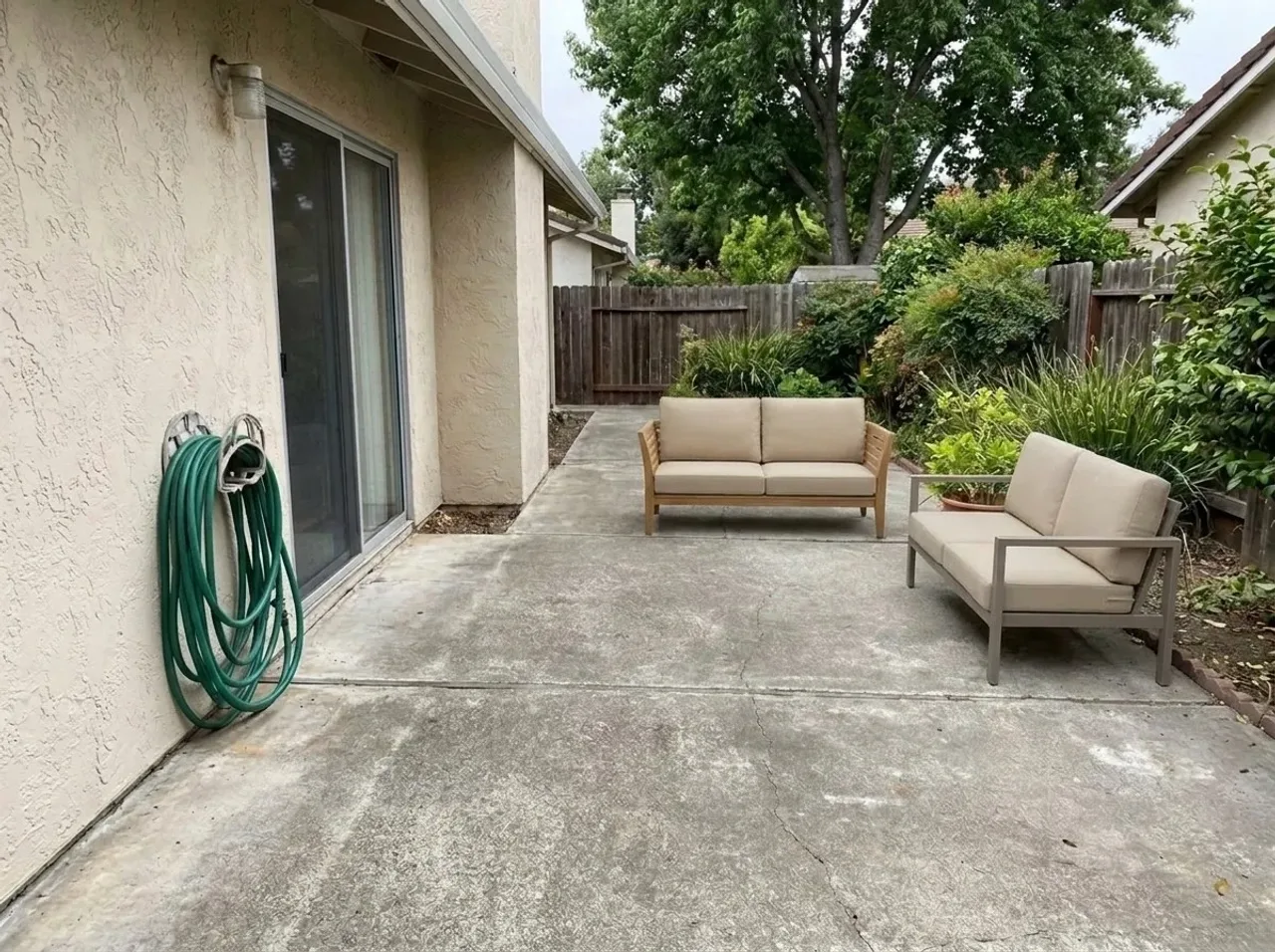
A bare patio before staging
The same patio furnished
The customer's roomThe output
Their living room, the sofa re-rendered in cognac leather

That is one build. It is on this page six times over, and no two of them are the same software. Every picture here came out of a working tool.

Why we do not pick a vertical

Software companies pick an industry. We pick the model.

Most software firms survive by finding one industry and selling the same product to everyone in it. That works, and it is why a business with an unusual model gets quoted a fortune or told no. Their model does not fit the product, so it has to be bent until it does.

We went the other way. What we got good at is reading how a business actually converts attention into a sale, then building the specific thing that shortens it. Sometimes that is a picture of the product in the customer's room. Sometimes it is a drawing and a parts list.

The condition is simple. If you sell something, and your model can be fitted onto a platform robust enough to carry it, we can build it. We have not yet met an industry that disqualified itself, though we have turned down builds where the honest answer was that the software was not the problem.

The evidence is below. Six businesses, six industries, six different pieces of software, none of which would work for any of the others.

The work · client names withheld

Six businesses. Six industries. No two the same build.

Every one of these is live or has been delivered. We show the output and describe the problem, and we leave the names out, which is how we would handle yours.

01
A restaurant fixtures maker

Their buyers could not picture the room, so we drew it for them.

They sold banquettes, chairs and tables to restaurant owners who had to imagine the finished space from a catalog. Most could not, and the deal stalled there.

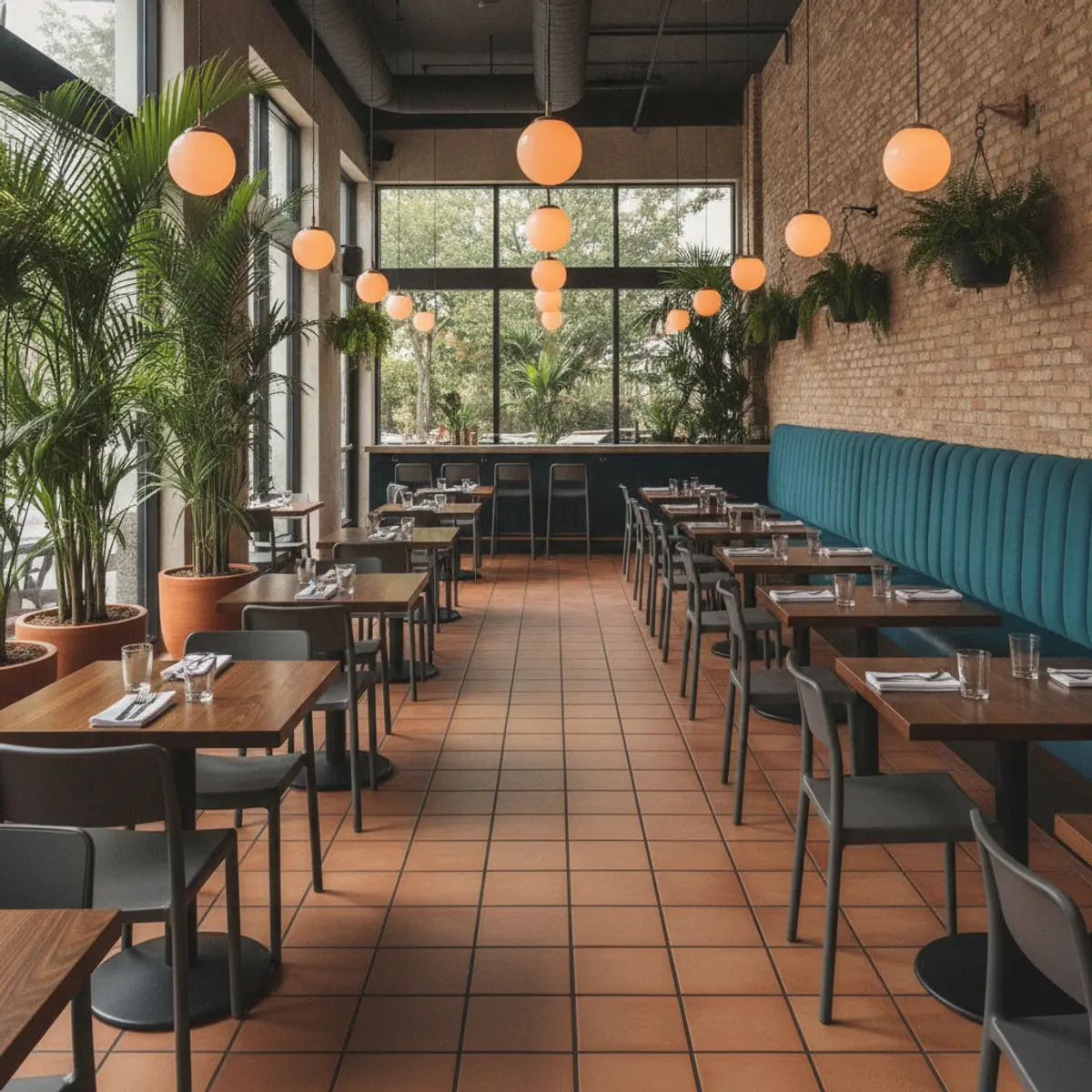
We built software that takes a photograph of the empty room and lays their real product lines into it, in quantities that fit the actual walls, and returns a spec sheet the rep can quote from. The rep now walks in with the sale mostly made.

See it live →
The output A finished restaurant interior designed by the software from a manufacturer's real product lines
02
A furniture brand

Two thousand fabrics published, and not one shown on a frame.

Makers publish enormous material libraries as flat swatch squares. A buyer cannot tell what any of them look like on the actual piece, in their actual room, so they hesitate or they return it.

We built the thing that photographs the maker's piece into the customer's own room, then re-renders it in whichever material the customer picks. Same room, same frame, different cloth.

The furniture build →
Their room A customer's own living room before
The output The same room with the sofa rendered in cognac leather
Oatmeal linen swatchCognac leather swatchOlive velvet swatchCream bouclé swatch One room, re-photographed per material.
03
A housewares retailer overseas

No card processing, no delivery network, and every customer on WhatsApp.

A conventional storefront would have failed on the first assumption. There was no payment rail to check out through and no courier network to promise a date to.

So the storefront ends in a WhatsApp message instead of a cart, and what it sends is a staged photograph of the piece at true scale in the shopper's own room. The photograph is the part that gets forwarded, which is what brings the next customer in.

The home goods build →
The output A hanging rattan chair staged into a customer's room at true scale
04
A pallet rack supplier

We use AI where it helps. There is none at all in this one.

Their entire sales process began with a sentence on their website: all we need is the dimensions. So we built the thing that takes the dimensions. Draw the building, drop the columns where they really are, and the racking lays itself in.

It counts every upright, beam and deck, and it says out loud what will not fit. The problem was deterministic arithmetic, so we wrote arithmetic. The drawing and the parts list read the same numbers, which means they cannot disagree, and it never claims a load rating it has not been given.

Live for the client. Shown on request, because it carries their name.

What comes back
Pallet positions816
Rows / bays each8 / 13
Upright frames112
Load beams612
Wire decks612
Bays landing on a building column2
Left at the end of every run7.5 ft

A run of thirteen bays takes fourteen frames, not twenty six, because neighbouring bays share an upright. Getting that wrong is how you lose a rack man on the second screen.

05
Caterers and event businesses

The consultation that used to cost an afternoon now closes itself.

A host describes the event in their own words. What comes back is a menu scaled to the headcount, a timeline with named hand-offs, and a shopping list split between caterer and host.

Every purchasable line routes into the caterer's own catalog, so the plan is also the order. The consultant runs on the caterer's site, in their chat, and under their name.

The events build →
The brief: dinner for forty
4:00Cold mezze set, kitchen prep list scaled to forty
5:30Carving table staffed, hand-off to the venue lead
6:15Candles lit and music cue, hand-off to the host's sister
7:00Service, with the order routed to the caterer's catalog
ListShopping list split three ways: caterer, host, rentals
06
Grocery and online retail

More shopping now starts with a machine reading your store than a person browsing it.

A catalog built for human menus is invisible to the thing that increasingly does the choosing. We rebuild retail catalogs in layers so they sell either way, and put a trained assistant on the floor that knows the recipes as well as the stock.

This is the part we run hardest on ourselves, because we own the stores it runs on and we are the ones who lose money when it is wrong.

How the stack works →
TAXONOMY
A catalog with a spine

Collections and attributes built for machines to traverse, not just menus to click.

SEO
Found by search

Structured data, clean routes, recovered link equity. The classic discipline, done properly.

AEO
Quoted by AI

Your products as the answer an assistant gives when someone asks what to buy.

CONTENT
Shoppable recipes

Recipe pages and buying guides where every ingredient is one tap from the cart.

NATIVE CHAT
A cook on the floor

Store-trained assistants with recipe, cultural and catalog knowledge, selling in two languages.

DATA
Fifteen years of baskets

What actually sells together, from our own order history rather than a guess.

How custom stays affordable

We are cheaper because the platform is already built, not because the build is thinner.

Custom software normally means starting at zero, and the price reflects it. Ours does not start at zero. It starts at a platform that has been in production for years, and the part we write for you is the part that is actually yours.

Every client gets their own copy of the code

We do not run one shared product with a settings page. A new build is a full copy of the platform, then tuned. Nobody else's release can reach into your software and change how it behaves, and nothing we do for the next client touches what we did for you.

It runs on our own money first

We operate our own storefronts. New work goes onto them before a client ever sees it, so the first person to find out something does not work is us, on a real order, with real stock.

We build what the problem needs

Some of this work calls for a model. Some of it calls for nothing more than careful arithmetic. The warehouse planner on this page has no AI in it anywhere, and putting some in would only have made it less reliable.

Nothing ships that we cannot check

Every generated picture is inspected against the real product before a customer sees it, and the check fails closed. A tool that is confidently wrong in front of a buyer costs more than the tool was ever worth.

Who we build for

The businesses that got quoted a fortune and walked away.

Our clients are mostly smaller companies. Family manufacturers, single storefronts, regional suppliers, importers. Businesses with a good product and a sales process that is being done by hand because the software to do it properly was quoted at a number they were never going to spend.

They are the reason the platform exists. A large retailer can buy its way to any of this. The businesses we like working with cannot, and they are the ones for whom it changes the most.

What we do not do is charge less by building less. The build quality is the whole asset. The savings come from the platform underneath being finished already, and from us having made the expensive mistakes on our own stores rather than on yours.

If you sell something and you can describe how a sale actually happens, that is enough to start the conversation. If we do not think software is your problem, we will say so.

Tell us what you sell

The stores we run ourselves

These are ours, not case studies. Fifteen years of trading and better than half a million orders, with three AI cooks working the floors today: Tía Cary, Chef Badia and Yasmin. Everything on this page ran here first. It is the reason we can quote a build honestly, because we have already paid for the version that did not work.